Where you are
You feel ashamed.
The two people on this page knew that feeling — one publicly, one privately — and both were undone by mercy.
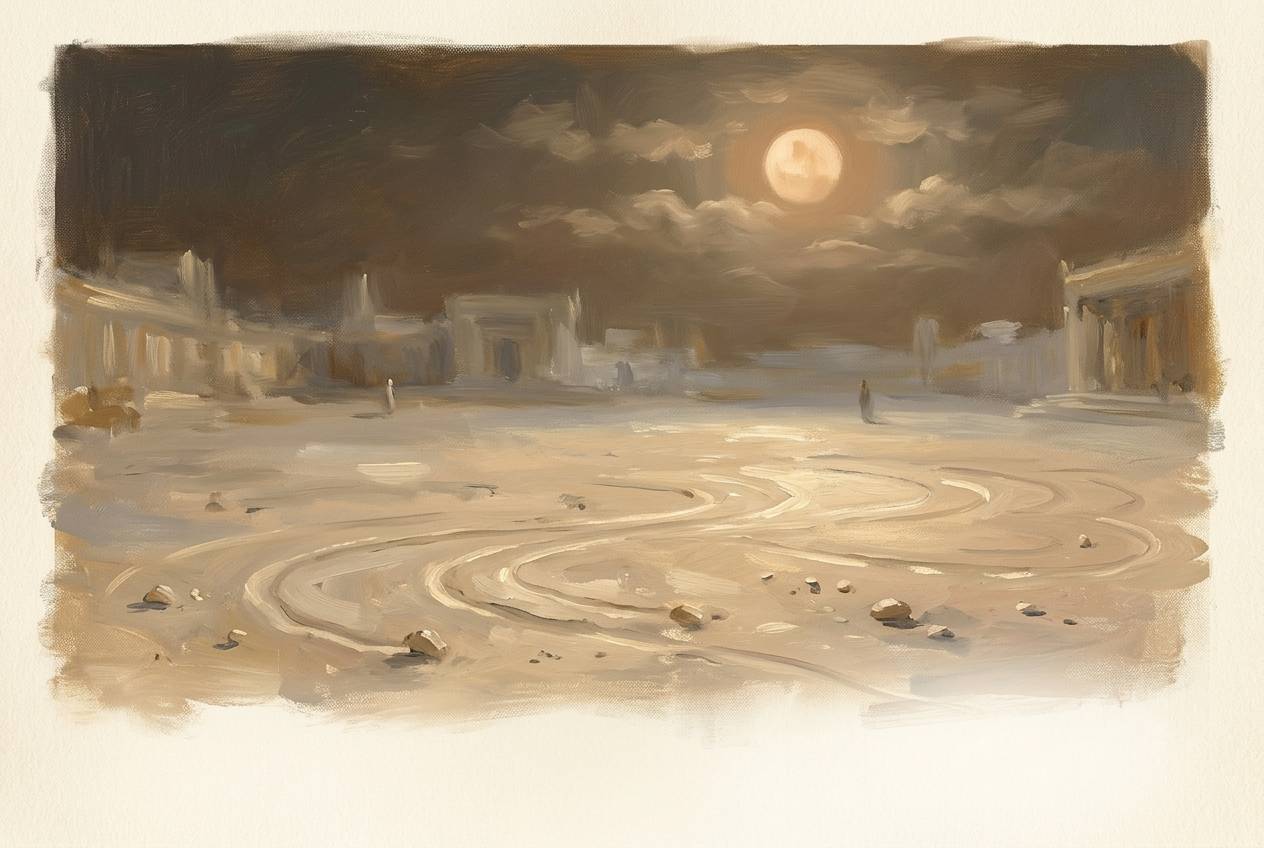
The Woman Caught in Adultery
You know what it feels like to have your worst moment exposed — to have people look at you and see only what you’ve done wrong. The woman in this story was dragged in front of a crowd at her most vulnerable, used as a spectacle, waiting for the verdict. And Jesus — the one person in that crowd with the actual authority to condemn her — knelt in the dirt and waited for everyone else to leave. When it was just the two of them, He asked where her accusers were. They were gone. “Neither do I condemn you,” He said. No conditions. No probation. No reminder of everything she’d done. Just: you’re not condemned. Go forward. The crowd that gathered to destroy her had no power over what He said next. And the voices that gathered to condemn you don’t get the final word either.
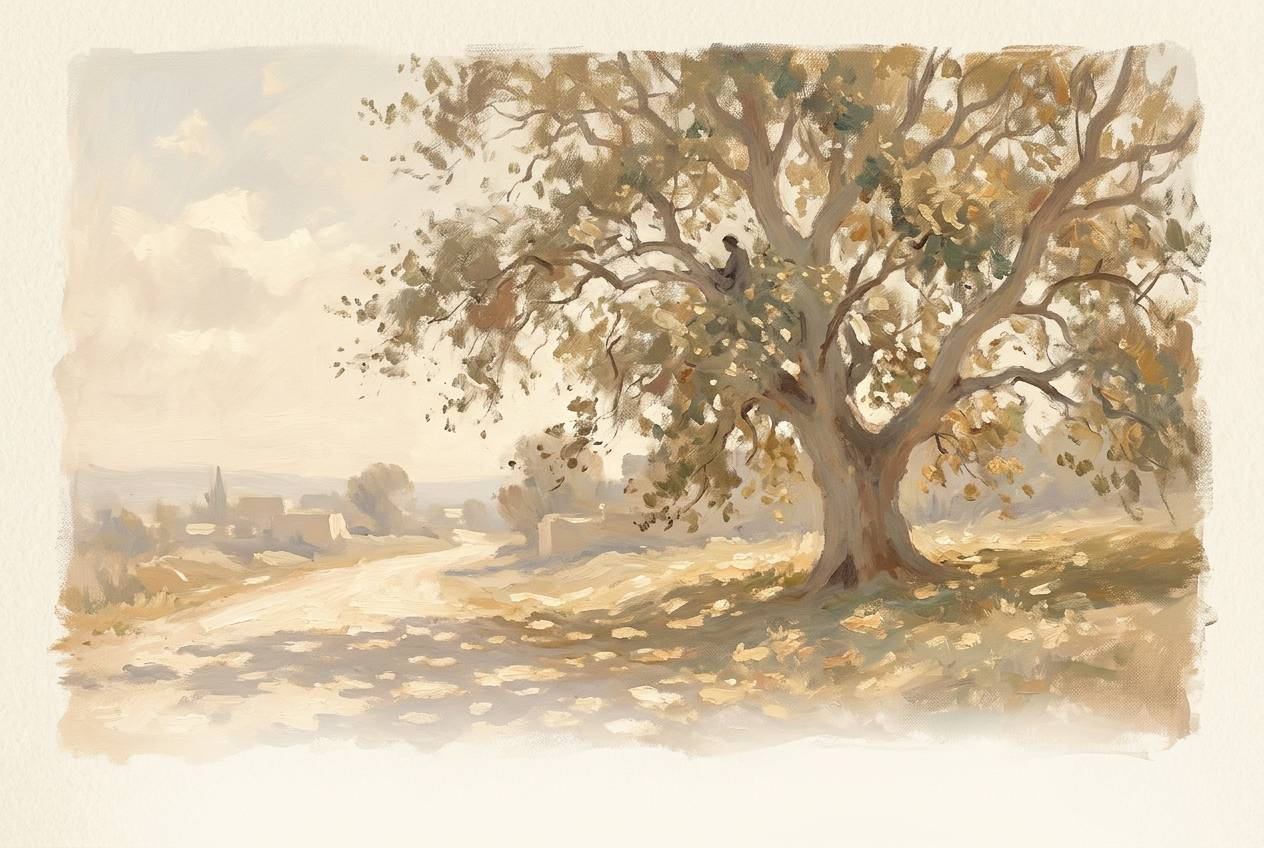
Zacchaeus
Maybe your shame isn’t from one moment — it’s from a long pattern. A reputation you built over years that now feels like a cage. Everyone knows what you are, what you’ve done, what category you belong in. Zacchaeus lived inside that cage. He was the most hated man in Jericho — a traitor and a thief by profession — and he knew exactly what people thought of him. When Jesus came to town Zacchaeus didn’t even try to get close. He climbed a tree just to see from a distance. And Jesus stopped, looked up, called him by name, and invited himself over for dinner. Not after Zacchaeus cleaned up his life. Not after he proved he’d changed. Before any of that. The crowd was disgusted. Jesus was already walking through his front door. You don’t have to resolve your reputation before you’re welcome. He’s already on His way to you.
You might also see yourself in
The Woman at the WellIf none of these are quite right, browse other feelings or take the short quiz.
This is a starting place, not a substitute. If you’re carrying something heavy, please consider talking to a pastor, a counselor, or a trusted person in your life. Stories help. People help more.