Where you are
Someone hurt you.
The Bible knows what that does to a person — and doesn’t ask you to be tidier about it than you can be.
Joseph
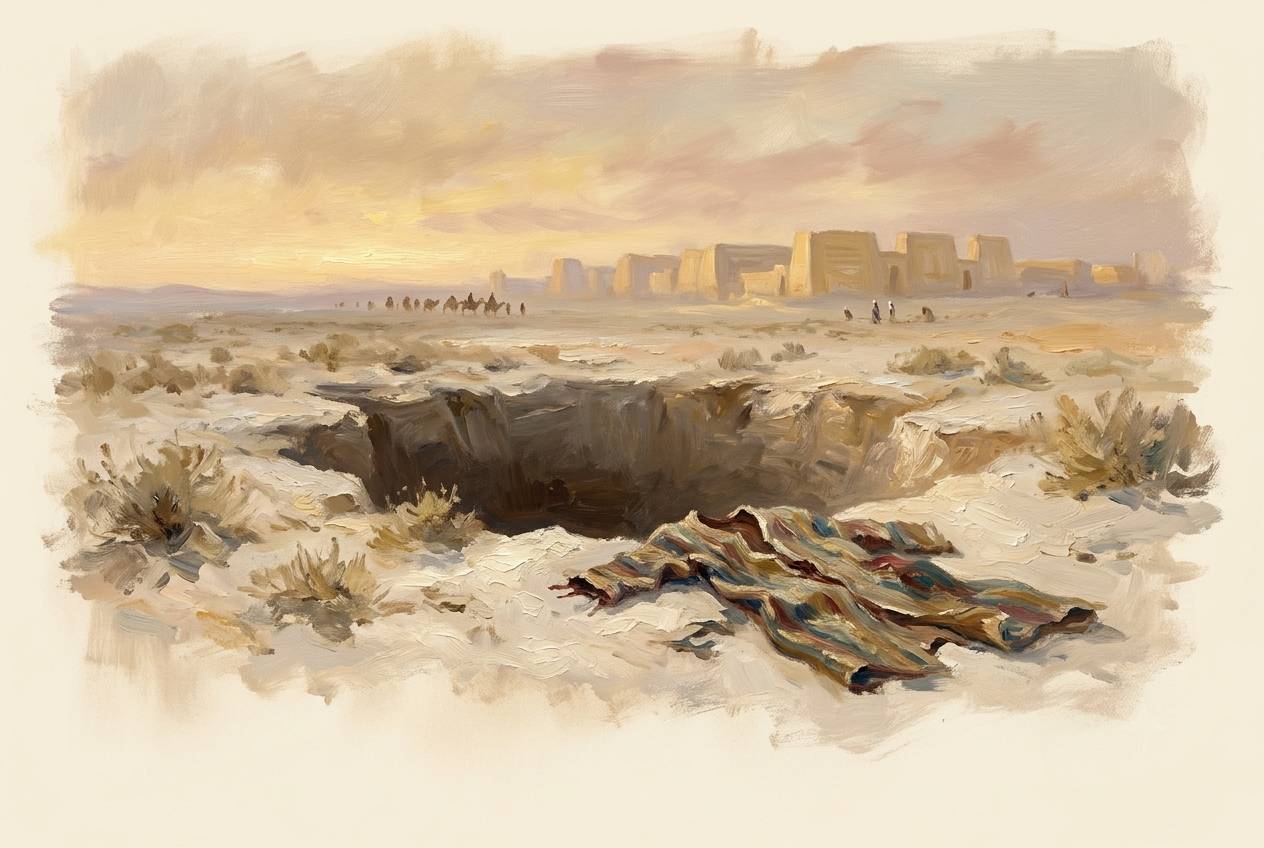
The people who hurt you most weren’t strangers. That’s what makes it so hard — it was someone who should have protected you, loved you, had your back. Joseph’s brothers threw him in a pit and sold him into slavery and let their father believe he was dead. He spent thirteen years in Egypt losing everything repeatedly — his freedom, his dignity, his name — because of what they did. And when he finally had the power to destroy them, he wept instead. Not because what they did wasn’t wrong. It was. He knew it. He named it: “you intended to harm me.” He didn’t minimize it or spiritualize it away. But he had seen something in the long arc of his story that gave him a frame bigger than the wound — “God intended it for good.” That’s not a fast conclusion. It took thirteen years of prison and betrayal and forgetting before Joseph could see it. You don’t have to be there yet. But Joseph’s story is a promise that the people who meant to harm you do not get to define who you are or what your life means.

David and Absalom
Maybe what hurts most isn’t even what they did — it’s that you still love them. You can be devastated by someone and still wish you could have saved them. David knew that exact agony. His own son Absalom spent years quietly turning the kingdom against him and finally led an army to kill him. And on the morning of the battle, David told his commanders one thing: be gentle with the young man. He was still trying to protect the son who was trying to destroy him. When Absalom was killed anyway, David climbed to a room above the gate and cried words that have echoed for three thousand years — “would I had died instead of you, my son.” He would have traded places. With the one who was trying to kill him. God didn’t rebuke David for that grief. He recorded it. Made it part of Scripture. Because someone, someday, was going to need to know that this exact kind of pain belongs there. If you’re hurting like this — caught between love and betrayal that won’t untangle — your grief is in good company. And the God who recorded David’s lament is not asking you to be tidier about yours.
You might also see yourself in
HagarIf none of these are quite right, browse other feelings or take the short quiz.
This is a starting place, not a substitute. If you’re carrying something heavy, please consider talking to a pastor, a counselor, or a trusted person in your life. Stories help. People help more.