Paul
The persecutor grace chose anyway.
The story
Paul didn’t just sin — he was an architect of persecution. He watched Stephen get stoned to death and approved of it. He hunted Christians from city to city, dragging them from their homes, throwing them in prison, and by his own admission, voting for their execution. He wasn’t a man who strayed. He was a man who was certain he was right while doing it — which may be the most chilling version of evil there is.
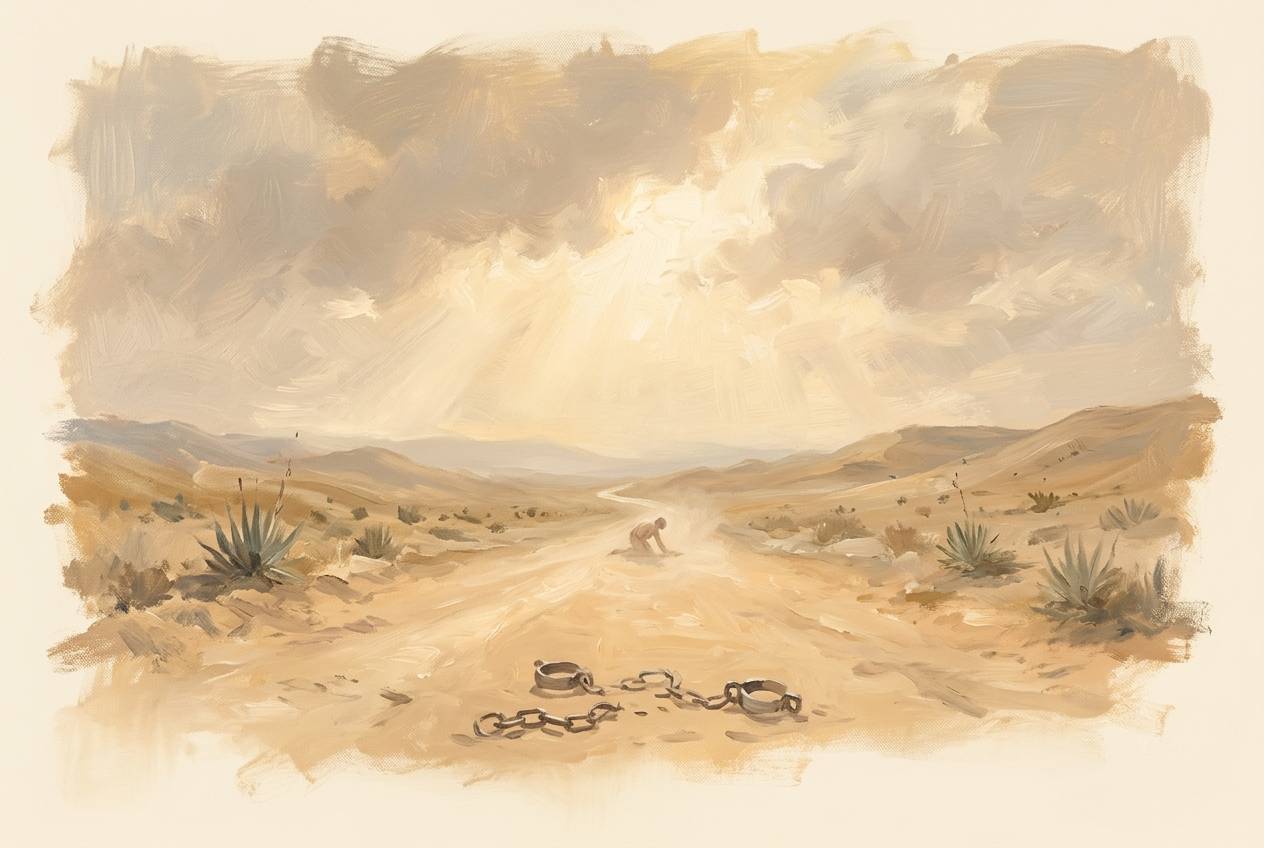
Then, on a road to Damascus, everything stopped. A blinding light. A voice. “Saul, Saul, why are you persecuting me?” And the man who had built his identity on destroying the church became its most prolific builder.
Paul never forgot what he was. He called himself “the worst of sinners” — not out of false humility, but because he meant it. And he wore it as a testimony: if grace found me, it can find anyone.
For you, reading this now
You think you’ve gone too far. That the things you’ve done — or the person you’ve been — have put you somewhere grace doesn’t reach. Meet Paul. Before he wrote half the New Testament, he was hunting Christians from city to city. Not metaphorically. He held the coats of the men who stoned Stephen to death. He hunted families. He was the last person anyone would have picked for redemption — including himself. And then God picked him anyway. Not despite his past, but with full knowledge of it. Paul spent the rest of his life saying: I am proof that no one is too far gone. If that’s where you are right now — too far gone — this story is for you.
This character speaks to people who feel…
Read it for yourself
The conversion: Acts 9 — the road to Damascus.
Where to start, if you only have ten minutes: Acts 9:1-22. The fall, the blindness, the meeting with Ananias.
For going further: Philippians 3 and 1 Timothy 1:12-17 — Paul’s own reflections on who he was before grace found him. 2 Corinthians 12:7-10 — his thorn in the flesh and the famous “my grace is sufficient for you.”